
Case Study
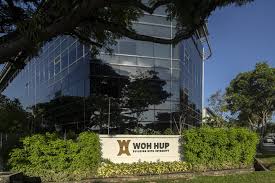
Established in 1927, Woh Hup began humbly as a one-man business in Malaya. Today, it is one of Singapore’s largest privately-owned construction and civil engineering specialists.
The company strives to ensure high standards of safety and quality on every project and aims to create lasting value for its clients. Within the organisation, Woh Hup is committed to maximising opportunities for employees to attain their full career potential.
Woh Hup continually seeks to spearhead cutting-edge, innovative building solutions in the Singapore market and has forged strategic joint-venture partnerships with overseas counterparts. These efforts have contributed to the company’s market expansion and cemented its position at the forefront of the construction industry, both locally and regionally.
Eliminating the use of static credentials by enforcing the use of temporary, time-bound access to improve security, auditability, and compliance traceability.
Ensuring that cryptographic keys are managed securely and that data is encrypted at rest and in transit.
Ensuring security and compliance requirements are met by implementing identity-based access controls, enforcing least privilege principles, enabling audit logging, securing data in transit and at rest, and adhering to regulatory standards.
Ensuring that detailed logs of all user and system activities are consistently captured and retained to support compliance, traceability, and audit readiness.

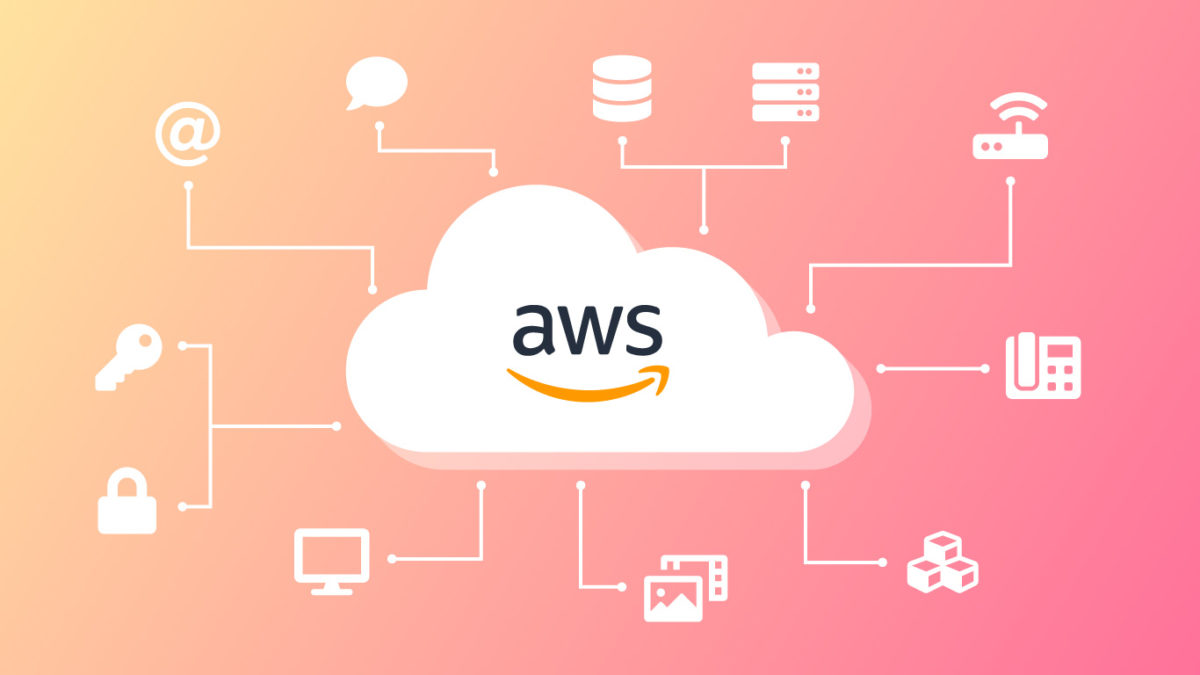
AsiaPac Managed Services offers several benefits that help businesses manage their cloud infrastructure effectively.
It enhances cost efficiency by optimizing cloud resources, ensuring that companies avoid over-provisioning. AsiaPac Managed Services improves operational excellence by handling the underlying infrastructure management, enabling businesses to focus on core activities. The service also ensures robust security and compliance, proactively monitoring vulnerabilities and automatically applying patches.
With AsiaPac Managed Services, businesses can scale resources as needed, allowing them to meet demand without excess provisioning. The automation of routine tasks like monitoring and reporting minimizes manual effort and reduces human error.
Additionally, AsiaPac Managed Services provides 24/7 monitoring and incident management, helping resolve issues before they impact operations. By streamlining deployment and providing expert support, AsiaPac Managed Services enables faster time-to-market for applications.
Furthermore, the service includes infrastructure management, continuous support, security controls, and detailed reporting, offering comprehensive operational oversight to ensure business success in the cloud.

AsiaPac implemented IAM roles with MFA, monitored the environment with a Cyber Watch Center (CSOC), and followed AWS security best practices. They also conducted a security workshop during the project kickoff.
AsiaPac followed their internal Standard Operating Procedure (SOP) to enable CloudTrail for every AWS account created. Logs are pushed to S3 with versioning and encryption enabled.